Klima
Climate Change
Our Planet Awaits
ART COMING SOON
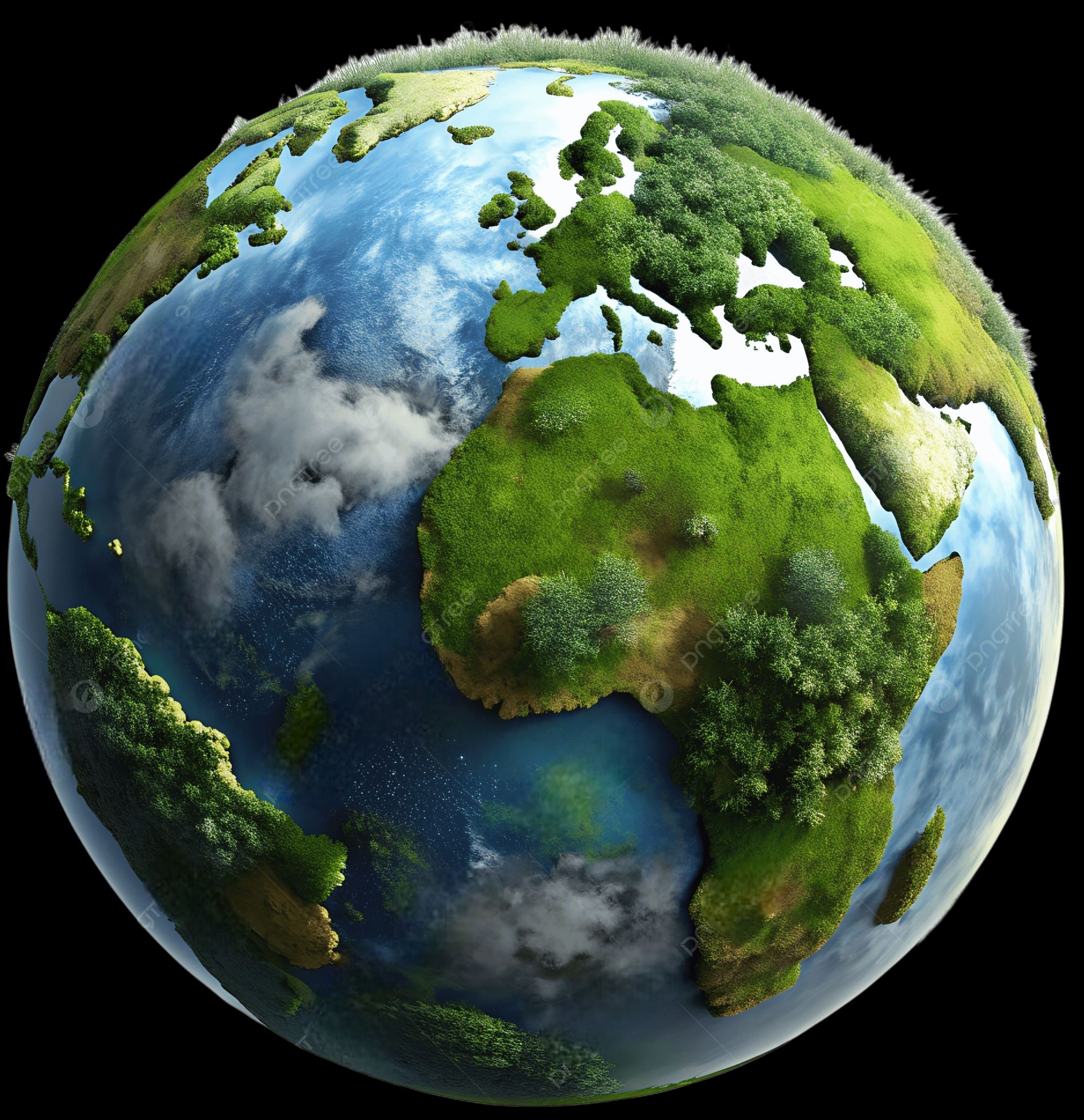
Earth is the third planet from the Sun and the only known celestial body to harbor life. Formed approximately 4.5 billion years ago from a swirling cloud of gas and dust, similar to the rest of our solar system. Its unique characteristics, such as the presence of liquid water, a protective atmosphere rich in oxygen, and a stable magnetic field, create the ideal conditions for life to flourish
In Klima, Dr. Olatoye emphasized Planet Earth’s lush green landmasses and blue oceans. This visual representation highlights the planet's natural beauty and the presence of life-sustaining elements.
Humans have significantly impacted the Earth's climate through the emission of greenhouse gases, deforestation, and land-use changes. These changes have led to rising global temperatures, melting polar ice caps, and changes in weather patterns. This has caused species extinction, loss of biodiversity, and rising sea levels. These changes have had significant impacts on ecosystems and communities around the world.
"Klima" Through My Eyes
Human-induced climate change has led to an increase in extreme weather events, including floods, droughts, heatwaves, and storms. This has had a devastating impact on agriculture, causing damage to crops and disruption to food production. Additionally, the warming of the Earth's oceans has caused coral reefs to bleach and die, destroying essential habitats for marine life. The melting of glaciers and polar ice caps has also led to rising sea levels, which threaten coastal communities and wildlife habitats.
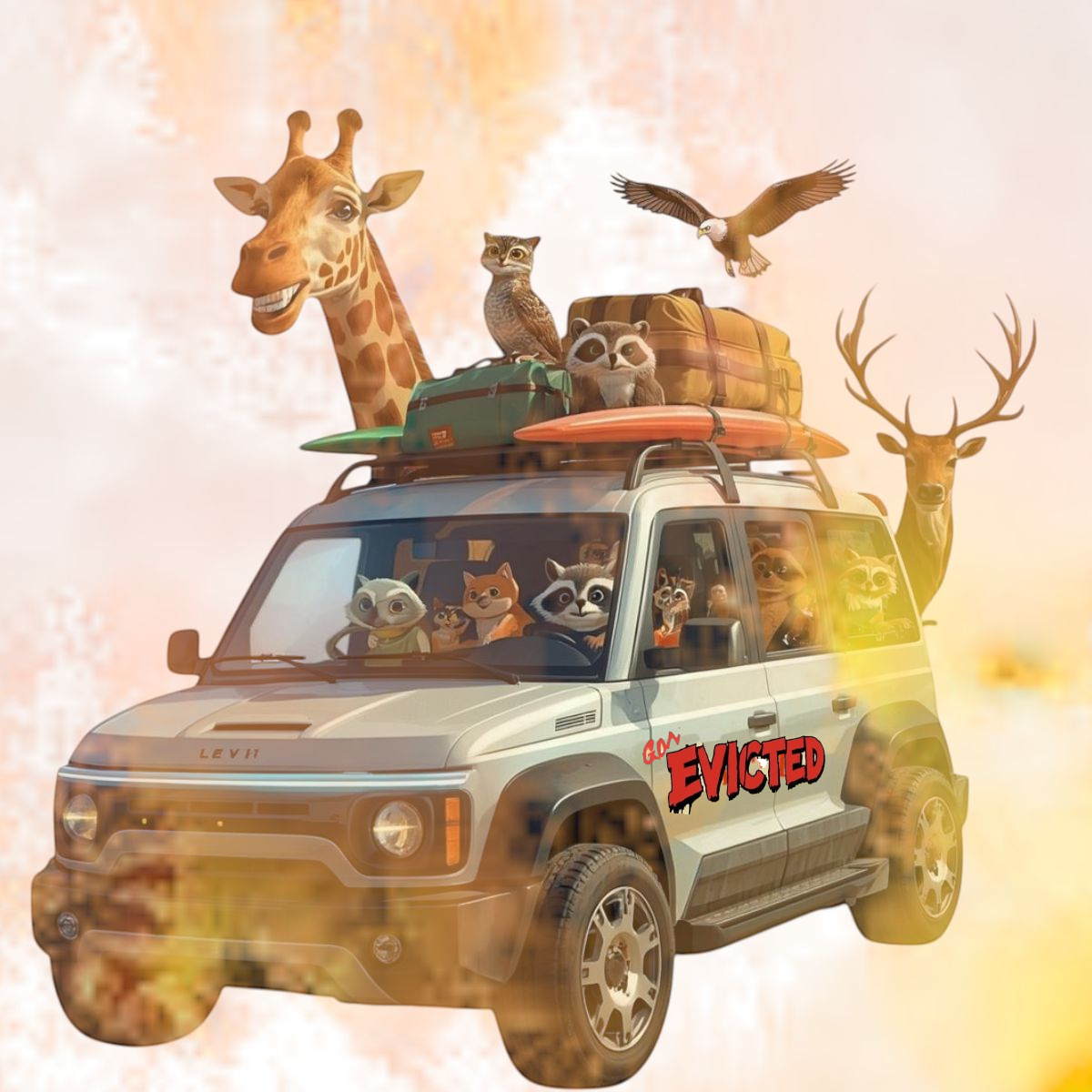
Dr. Olatoye’s “Klima”, a thought-provoking painting, depicts a comparison between humanity's damaging impact on the Earth's climate and the destructive destructive parasites that harm a dog. The artwork highlights the similarity between the destructive relationship humans have with the Earth, causing pollution and leading to global warming, and the relationship between the worms and the dog. When the dog dies, the worms also die. The painting raises questions about the long-term consequences of human actions on the planet's well-being and the balance of nature. By drawing a parallel between these two scenarios, this artwork encourages reflection and contemplation on the lasting impact of human behavior.
While the painting on its own sparks reflection, the story provided alongside further emphasizes the weight of human behavior and its potential consequences. The tale of the worm serves as a metaphor for the effects of human actions on the planet's ecosystems and the interconnectedness of all living beings. It prompts us to question the long-term consequences of our choices, not only on ourselves but also on the planet and the creatures within it.
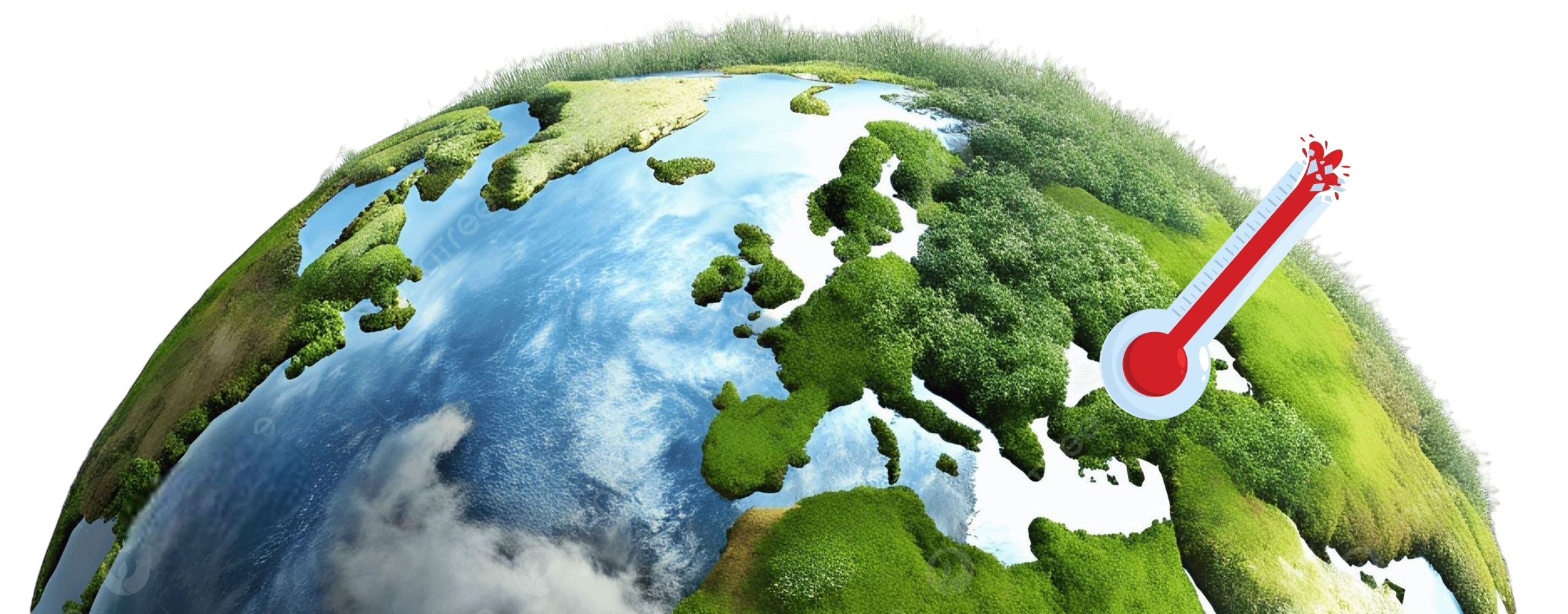
The painting itself stands out for its innovative perspective, comparing the relationship between humanity's damaging effects on the planet and parasitic worms in a dog, which ultimately leads to the death of both the dog and the worms. In this thought-provoking artwork, the artist draws a powerful comparison between the destructive impact of human behavior on planet Earth, particularly in terms of pollution and climate change, and the dangerous nature of parasites within a dog. The artwork highlights the interconnectedness of all living beings and the lasting consequences of human actions.
It is important to note that Dr. Olatoye’s painting Kilma is not meant to necessarily provide a solution or moral conclusion for this comparison. Rather, it catalyzes discussion and reflection on the complex relationship between humans and their environment. By bringing attention to these issues and prompting viewers to ponder the consequences of human actions, the artwork encourages responsible stewardship and a deeper understanding of the delicate balance of natural ecosystems.

In the painting "Klima" by Dr. Victor Olatoye, has poignantly captured the impact of climate change on the planet and its inhabitants. The artwork depicts a thought-provoking scene that calls attention to the urgent need for action and awareness on this critical issue. Through the depiction of the effects of climate change on individuals, flora, and fauna, the painting underscores the idea that every life has value and must be protected.
In conclusion, the effects of human activity on the Earth's climate have resulted in significant and far-reaching consequences, impacting both terrestrial and marine ecosystems. Despite the potential for negative impacts, it is worth remembering that the planet's climate has always been in a state of flux, and the ability of the Earth to regulate its climate is remarkable. The ability of both animal and plant life to adapt to changes in the environment is nothing less than miraculous.
However, that cannot continue to ignore the damage done to planet earth. There is no other habitable planet for us.
The message that Dr. Olatoye hopes to convey through the artwork "Klima" about climate change is the need for immediate action to address and mitigate the impacts of climate change. The painting serves as a call to action, urging people to recognize the urgency of the situation and to acknowledge the potential consequences if no action is taken. Dr. Olatoye wants viewers to understand the interconnectedness of the planet's ecosystems and the impact that human activity has on them.
The artwork serves as a reminder that we must act now to prevent further harm and preserve the future for generations to come. As Dr. Olatoye stated Klima is real and Our Planet Awaits. This is a museum masterpiece